
Beginning on June 13th, 100 Years of Power exhibition will be on view in the Dunning Gallery of the Loveland Museum. This exhibit explores 100 Years of Power, a multimedia exhibit at the Loveland Museum that brings to life the stories and milestones from Loveland’s journey of power. 2025 marks the 100th anniversary of electric power in the City of Loveland. In 1925, Loveland Light and Power (now Loveland Water and Power) began generating electricity at the newly constructed Idylwilde Hydroplant in the Big Thompson Canyon. A 22,000-volt transmission line carried this power to residents, lighting up the community for the first time. The damaged hydroplant will be replaced by a solar power installation.
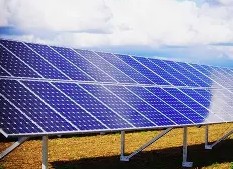
Solar Power
Today, Loveland Water and Power serves over 42,000 homes and businesses across a 74-square-mile area. The century-long journey reflects the city’s resilience and commitment to a sustainable future, from the Idylwilde plant and the formation of the Platte River Power Authority to the coal-powered Rawhide Energy Station and Loveland’s ongoing transition to renewable energy sources.
The city of Loveland has finished work on a large-scale solar power installation that aims to replace the damaged Idylwilde hydroelectric dam.
The dam, built in 1917, was badly damaged in the Sept. 2013 floods that devastated the Front Range corridor.
Loveland received about $9 million in disaster recovery funds from the Federal Emergency Management Agency to construct the new Foothills Solar and Substation project, which the city says is capable of producing more power than the dam.
The Idylwilde Dam’s hydroelectric facility was capable of producing 900 kilowatts of electricity before it was removed. The new solar project, on the other hand, has a capacity of 3.5 megawatts, more than tripling the output of the dam.
City officials said the solar project is expected to produce about 6,813 megawatt hours of electricity each year — enough to power about 574 homes.
To produce as much power as possible, the array uses solar tracking technology, which allows the panels to move throughout the day so they’re always facing the sun.
Boulder-based Namaste Solar designed and built the solar array.
The city said the project is the first energy-producing facility to receive approval through FEMA’s “Alternate Project” program, which permits the use of federal money for new construction when restoring a damaged building isn’t considered to be in the public interest.
$5.1 million of the FEMA funds were used to build the solar array. The remainder will be used to construct an electric substation on the site. It’s expected to be completed in the spring.
Exhibition Details
100 Years of Power
Dunning Gallery
June 13 – October 18, 2025
Opening Reception: June 13th from 6-8 PM, free admission
Exhibition/Museum Free Days: July 23rd, August 21st, September 17th
Website: www.thelovelandmuseum.org/100-years-of-power/
About the Loveland Museum
The Loveland Museum is an accredited art and history museum that was founded in 1937 by local author, collector, curator, and mountain guide Harold Dunning. Dunning began collecting pioneer artifacts and stories as early as 1919, and today, the Loveland Museum is home to a variety of history exhibits, hosts world-class art exhibitions, and provides family events; adult and youth classes; lectures; poetry readings; and other programming opportunities for the Loveland community and visitors from around the world.
The Loveland Museum is open Tuesdays & Wednesdays 11:00 am – 5:00 pm; Thursdays & Fridays 12:00 – 7:00 pm; Saturdays 10:00 am – 4:00 pm; closed Sundays & Mondays (subject to change). Admission is $7 for Loveland Residents and $10 for Non-Residents; Children 12 & under are free (must be accompanied & supervised by someone 16 or older). Admission includes the following galleries: Green Room, Dunning, Foote, Mezzanine, 12 Ft of Wall, Permanent History, Main Gallery. The Loveland Museum is located at 503 N Lincoln Avenue, the corner of 5th and Lincoln, in Loveland, Colorado. www.thelovelandmuseum.org.