Nearly 58 million older Americans are 65 and older, with projections estimating that the population of older adults will grow to 88.8 million in 2060. On average, a 65-year-old can expect to live another 18.9 years. For most of us, good health ensures independence, security, and productivity as we age. Yet millions of older adults are living with such challenges as chronic diseases, falls, physical inactivity, oral health concerns, and behavioral health issues, all of which can severely impact quality of life.
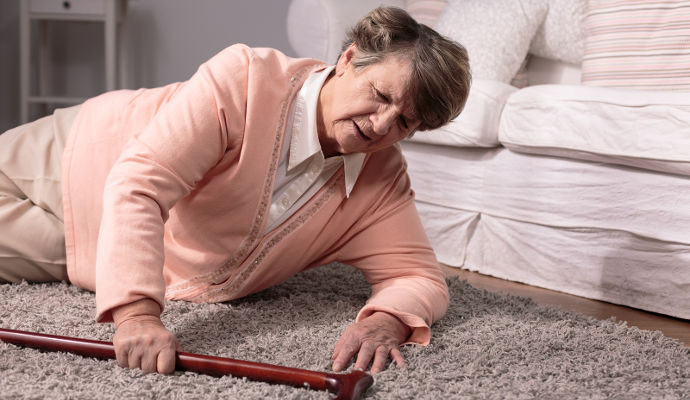
Senior faling down
Sadly, older Americans over 65 years have various chronic diseases as noted below:
• Older adults are disproportionately affected by chronic conditions, such as diabetes, arthritis, and heart disease. About 93% have at least one chronic condition, and nearly 80% of have two or more.
• The leading causes of death among older adults in the U.S. are heart disease, cancer, COVID-19, stroke, chronic lower respiratory diseases, Alzheimer’s disease, and diabetes.
• Chronic diseases can limit a person’s ability to perform daily activities, cause them to lose their independence, and result in the need for institutional care, in-home caregivers, or other long-term services and support.
Falls are a leading cause of injuries for older adults:
• 3 million adults 65+ are treated in emergency departments for unintentional fall injuries each year.
• Falls are the leading cause of fatal and nonfatal injuries among older adults, causing hip fractures, head trauma, and death.
• The nation spends $50 billion a year treating older adults for the effects of falls, 75% of which is paid for by Medicare and Medicaid.11 If falls rates are not reduced, direct treatment costs are projected to reach $101 billion by 2030.
Older Americans need more physical activity:
• Regular exercise can help older adults stay independent and prevent many health problems that come with age. According to the 2018 Physical Activity Guidelines for Americans, older adults should do two types of physical activities each week to improve their health—aerobic and muscle-strengthening.
• These guidelines recommend that older adults engage in at least 150 minutes of moderate-intensity or 75 minutes of vigorous aerobic activity a week and muscle strengthening activities on two or more days a week.
Oral health is very important for older Americans:
• Oral health is important for overall health and well-being, but in 2022, 36.3% of older adults had not seen a dentist in the last year.
• Older adults with diabetes, heart disease, and poor health were less likely to have had a dental visit in the past year.
• Poor oral health can negatively impact nutrition and proper management of chronic conditions.
Behavioral health problems cause increased health issues:
• One in four older adults experiences a behavioral health problem such as depression, anxiety, or substance abuse.
• People age 85+ have the highest rates of suicide compared to any other age group. Men die by suicide four times more often than women.
• Deaths caused by excessive alcohol use are on the rise; in 2020, over 11,000 adults age 65+ died from alcohol-induced causes.
Infectious Disease Prevention
• As of August 2024, 76.3% of all deaths from COVID-19 were among those age 65+, and 70-85% of seasonal flu-related deaths occur in adults over age 65. N
• While lifesaving vaccines are available, research shows COVID vaccine uptake has slowed among older adults.
• New research shows that older adults may be at a higher risk of Long COVID, a post-COVID condition in which virus symptoms persist, return, or develop more issues.
Sources: CDC, National Center for Health Statistics, National Institute of Health, & US Health & Humans Services. Condensed article courtesy of National Council on Aging.